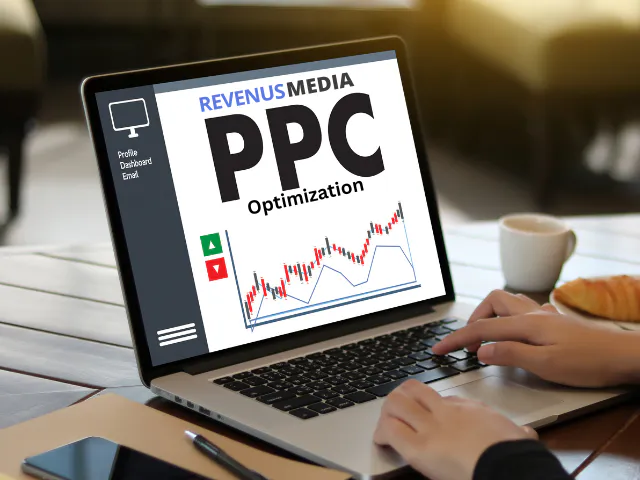

Welcome to the world of PPC Optimization (Pay-Per-Click), where online advertising takes center stage in connecting businesses with potential customers. PPC is like a spotlight, shining brightly on your products or services, making them visible to those who are actively looking for what you offer.
In simple terms, PPC is a way advertisers can buy visits to their sites by paying a fee each time their ad is clicked. It’s more like a shortcut to getting visitors to your site, instead of waiting for them to find you organically. But PPC is not just about getting clicks—it’s about getting the right kind of attention and attracting visitors who are genuinely interested in your offerings.

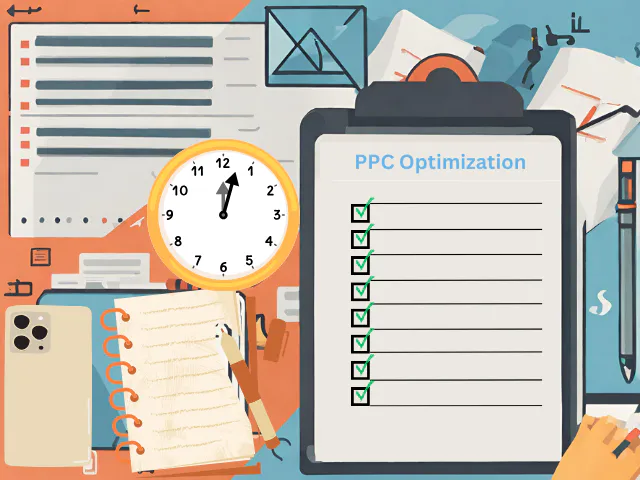
Having a checklist is like having a trusty map on a treasure hunt. It guides you through the necessary steps and strategies, ensuring you don’t miss out on any opportunities to improve your PPC campaigns.
A PPC optimization checklist includes various elements that you need to review and adjust to improve the performance of your PPC campaigns. It’s a structured way to ensure that your campaigns are set up for success.
A checklist helps in organizing your efforts. It ensures that every aspect of your PPC campaign, from keywords to landing pages, is optimized. It acts as a reminder to review and tweak the essential parts of your campaigns regularly.
In this part, we will discuss setting clear objectives and targeting the right audience. Having clear goals is like having a destination in mind, and knowing your audience is like knowing who to invite on a road trip.
Having a checklist and following strategic steps will help in making your PPC campaigns more effective and successful. It’s about ensuring that every effort you put into your campaigns moves you closer to your goals.
Keywords are the building blocks of PPC campaigns. They are the words or phrases that people type into search engines when looking for products or services like yours. Choosing the right keywords is like picking the right ingredients for a recipe; they can make your PPC campaigns flourish.
Negative keywords play a pivotal role in the realm of PPC optimization. They act as filters, ensuring that your ads only appear in searches that are directly relevant to your products or services. By incorporating negative keywords into your campaigns, you essentially prevent your ads from being triggered by certain words or phrases that are unlikely to lead to conversions.
For instance, if you are selling fresh flowers, you might want to use “artificial” as a negative keyword to avoid showing your ads to people looking for artificial flowers. This precision helps in enhancing the overall effectiveness of your PPC campaigns, ensuring that your ads reach a more relevant and potentially responsive audience.
In the broader perspective of PPC optimization, negative keywords contribute to the efficient use of your advertising budget. They help in reducing wasted clicks, improving your click-through rates (CTR), and enhancing the quality score of your ads. Thus, understanding and effectively utilizing negative keywords is a fundamental aspect of optimizing your PPC campaigns for better performance and results.
Analyzing the terms that people use to find your ads can offer valuable insights. It helps in refining your keyword strategy, ensuring that your ads reach the most relevant audience.
Keyword optimization is about making thoughtful decisions on keyword selection and continuously refining your keyword strategies to enhance the performance of your PPC campaigns. Utilizing a variety of keyword tools, including SE Ranking and Mangools, can be instrumental in connecting with the right audience and improving the effectiveness of your ads.
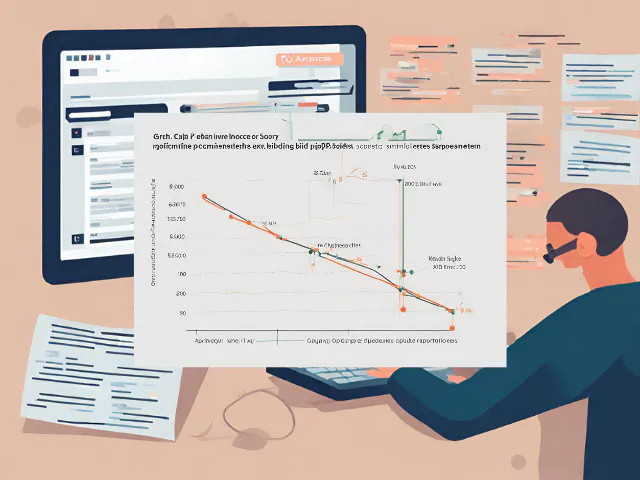
Bidding is a crucial part of your PPC campaigns. It’s like placing a value on how much you’re willing to pay for someone to click on your ad. Bid optimization ensures that you get the most out of your budget, helping your ads perform better in search results.
Automated bidding strategies allow the system to adjust your bids automatically, aiming to improve the performance of your ads.
Ad groups contain one or more ads and a shared set of keywords. Organizing your ad groups effectively is essential for the success of your campaigns.
Bid optimization is a continuous process of adjusting and improving your bids and ad groups to enhance the performance of your PPC campaigns. It involves making informed decisions based on the performance and goals of your campaigns to achieve better results.
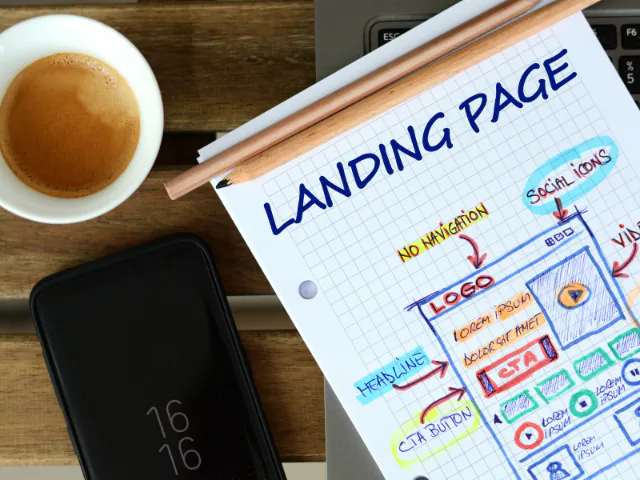
Landing pages are where the magic happens. After clicking on your ad, visitors land on these pages to hopefully take specific actions, such as making a purchase or signing up for more information. Optimizing these pages is essential to make sure that the magic truly unfolds, and visitors convert into customers.
Optimizing your landing pages is about creating a valuable and seamless experience for your visitors. It involves various elements, from page design to content relevance, that work together to encourage visitors to take desired actions, improving the overall conversion rate of your PPC campaigns.

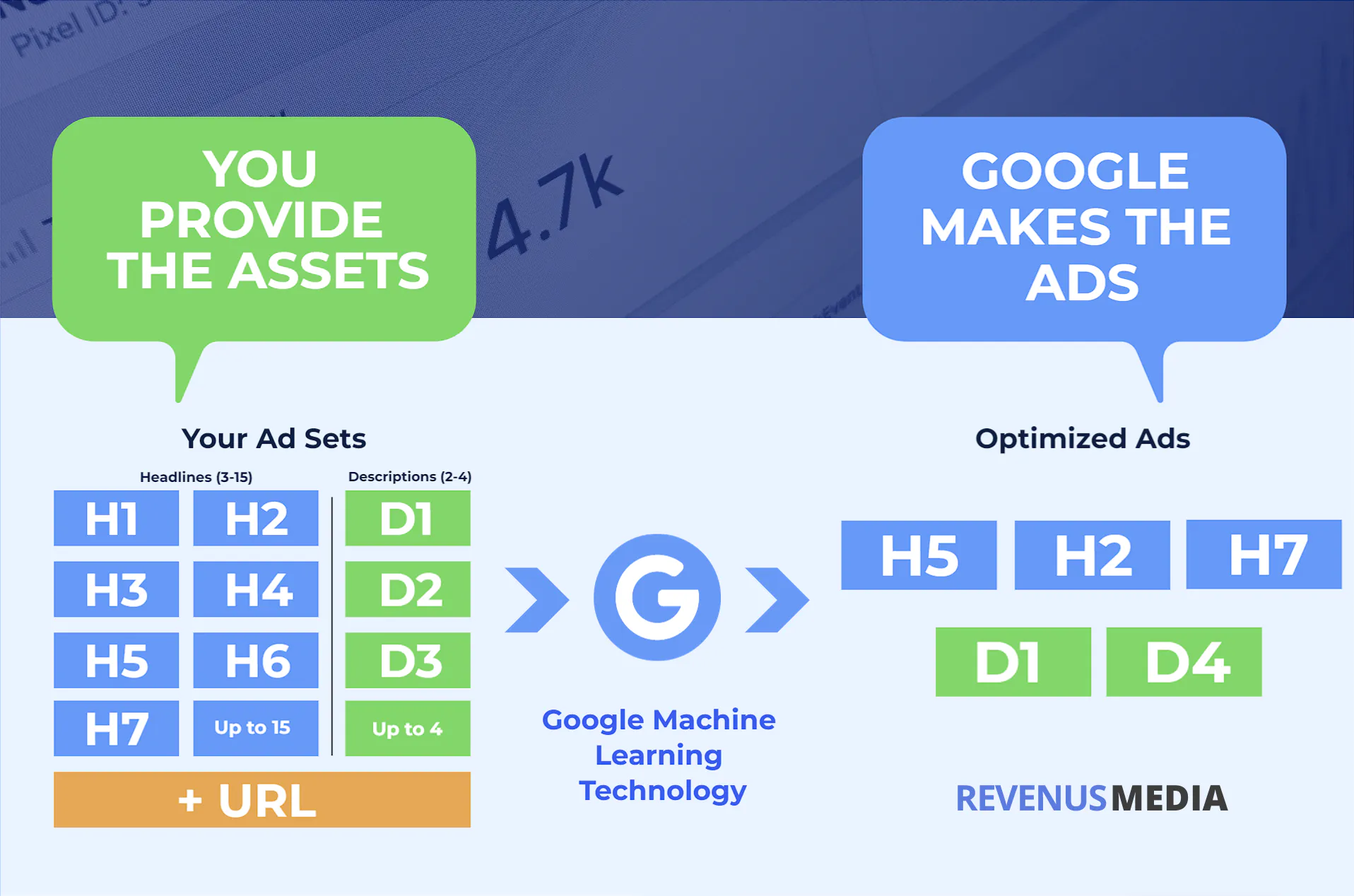
Responsive search ads (RSAs) are a powerful tool in the PPC Optimization arsenal. They automatically adjust your ad content to better match potential customers’ search terms, making your ads more relevant and effective.
Responsive search ads, with their adaptability and flexibility, play a significant role in optimizing PPC campaigns. By understanding and utilizing RSAs effectively, you can create ads that are more aligned with users’ searches, enhancing the overall performance and success of your PPC campaigns.

Not all PPC campaigns perform like stars from the get-go. Some might stumble and not deliver the results you expect. But don’t worry! There are strategies to breathe life back into campaigns that are not performing well, turning them into effective components of your advertising efforts.
Optimizing poor-performing PPC campaigns involves a strategic approach to identify weaknesses and implement improvements. Continuous monitoring and a willingness to make necessary adjustments are essential in turning around the performance of your campaigns, ensuring they contribute positively to your advertising goals.
Optimizing PPC campaigns is a multifaceted process that involves continuous improvement and strategic decision-making. From keyword selection to bid management, and from ad creation to landing page optimization, each element plays a crucial role in the overall success of your campaigns. By applying thoughtful strategies, utilizing data for insights, and being adaptable to change, you can enhance the performance of your PPC campaigns, ensuring that they effectively connect with your audience and contribute positively to your advertising goals.
Regularly reviewing and optimizing your PPC campaigns is essential. It’s not a one-time task but an ongoing process. Consider checking the performance weekly and doing a more comprehensive review monthly.
Avoid setting and forgetting your campaigns, ignoring mobile users, and using overly broad keywords. Also, ensure that your landing pages are relevant and that you are continuously testing and adjusting your strategies based on performance data.
Improving the quality score involves optimizing ad relevance, landing page experience, and click-through rate (CTR). Ensure that your ads are highly relevant to the keywords, and the landing pages offer a good user experience.
Negative keywords help prevent your ads from showing for irrelevant searches. They help in refining your audience, ensuring that your ads are displayed to users who are most likely to find them relevant and useful.
Data allows you to analyze the performance of your campaigns, ads, and keywords. Use this information to identify what’s working well and areas that need improvement or adjustment to enhance overall campaign performance.