Welcome to our Printful review, a powerhouse in the print-on-demand (POD) industry that’s redefining how entrepreneurs and creatives bring their unique designs to life and to market. With a staggering array of 341 products to customize, Printful stands at the forefront of versatility and choice in the POD space.
From its humble beginnings in a living room to becoming an industry leader, their journey is one of innovation, growth, and commitment to quality. They’ve expanded their product range and global presence, investing in new technologies and equipment to stay ahead in the competitive POD market. This forward-thinking approach ensures that Printful remains a go-to solution for both budding entrepreneurs and established businesses looking to explore the world of custom merchandise.

Printful is like a behind-the-scenes magician for your online store. It’s a service that allows you to sell custom-designed products without the hassle of handling the printing and shipping yourself. Here’s how it typically works:

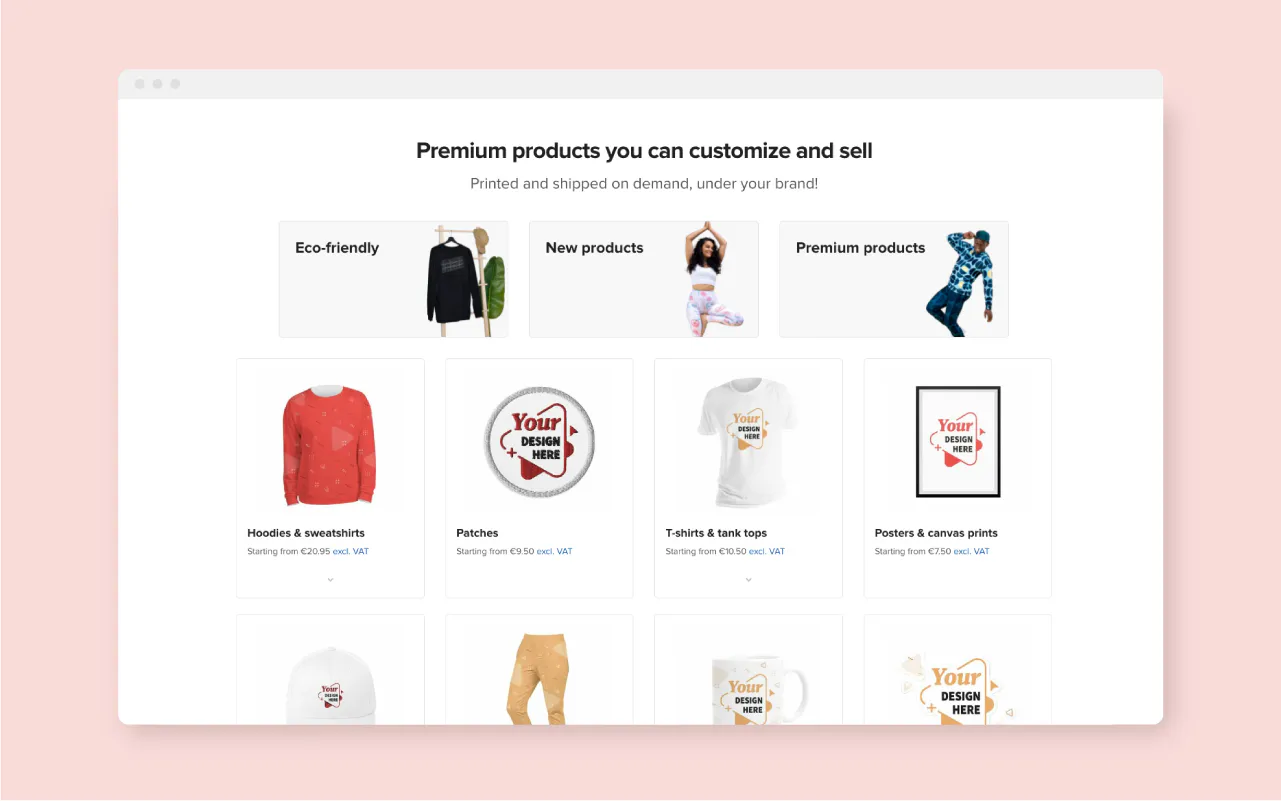
They offer an incredibly diverse range of products, especially for those in the USA, catering to a wide array of creative needs. Here’s a snapshot of what you can find:
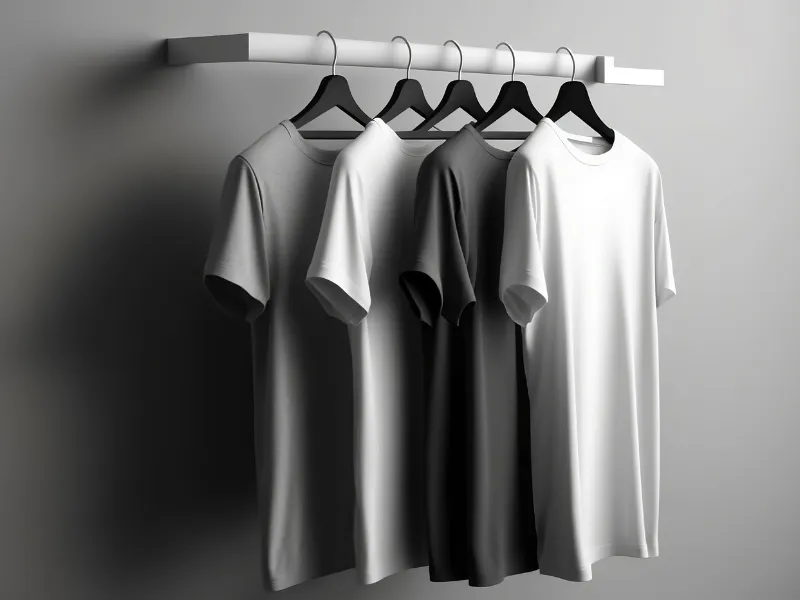
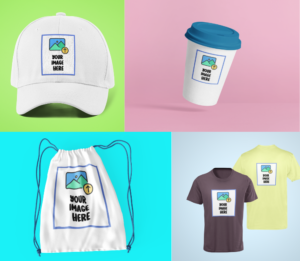
Variety Galore: T-shirts, long-sleeve shirts, sweatshirts, hoodies, tank tops, crop tops, dresses, and more.
Specialized Wear: Includes sports bras, swimwear, leggings, baby bodysuits, youth t-shirts, polo shirts, joggers, and more.
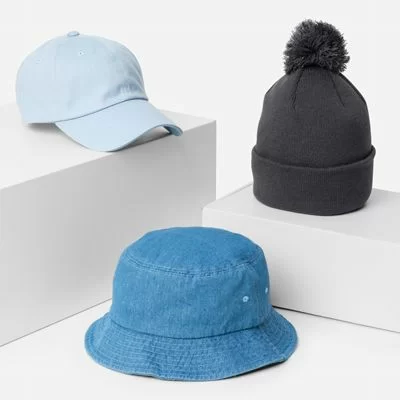
Stylish Options: Snapbacks, 5-panel hats, beanies, trucker hats, visors, and bucket hats.
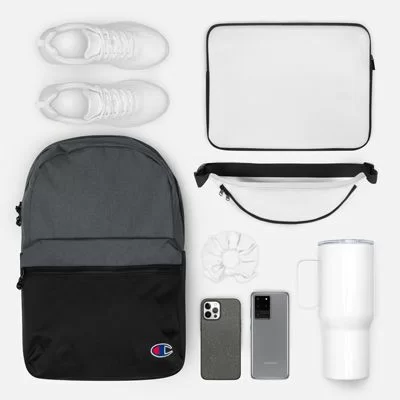
Diverse Range: Tote bags, drawstring bags, backpacks, fanny packs, phone cases, stickers, flip-flops, and more.

Decor and Utility: Pillows, sheets, towels, blankets, aprons, mugs, drinkware, pet bowls & mats, and other home decor items.
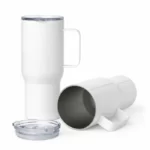
Electronics Accessories: Customizable laptop cases and other computer accessories.
Drinkware: A variety of cups, tumblers, and other options for drinkware.
Fitness and Leisure: Items like exercise mats, yoga mats, and calendars.
For a complete list of products please visit this link.
Printful employs a variety of advanced printing techniques to ensure high-quality results on a wide range of products. Each method is chosen based on the product type and the desired effect of the design. Here’s an overview of the key printing techniques used:
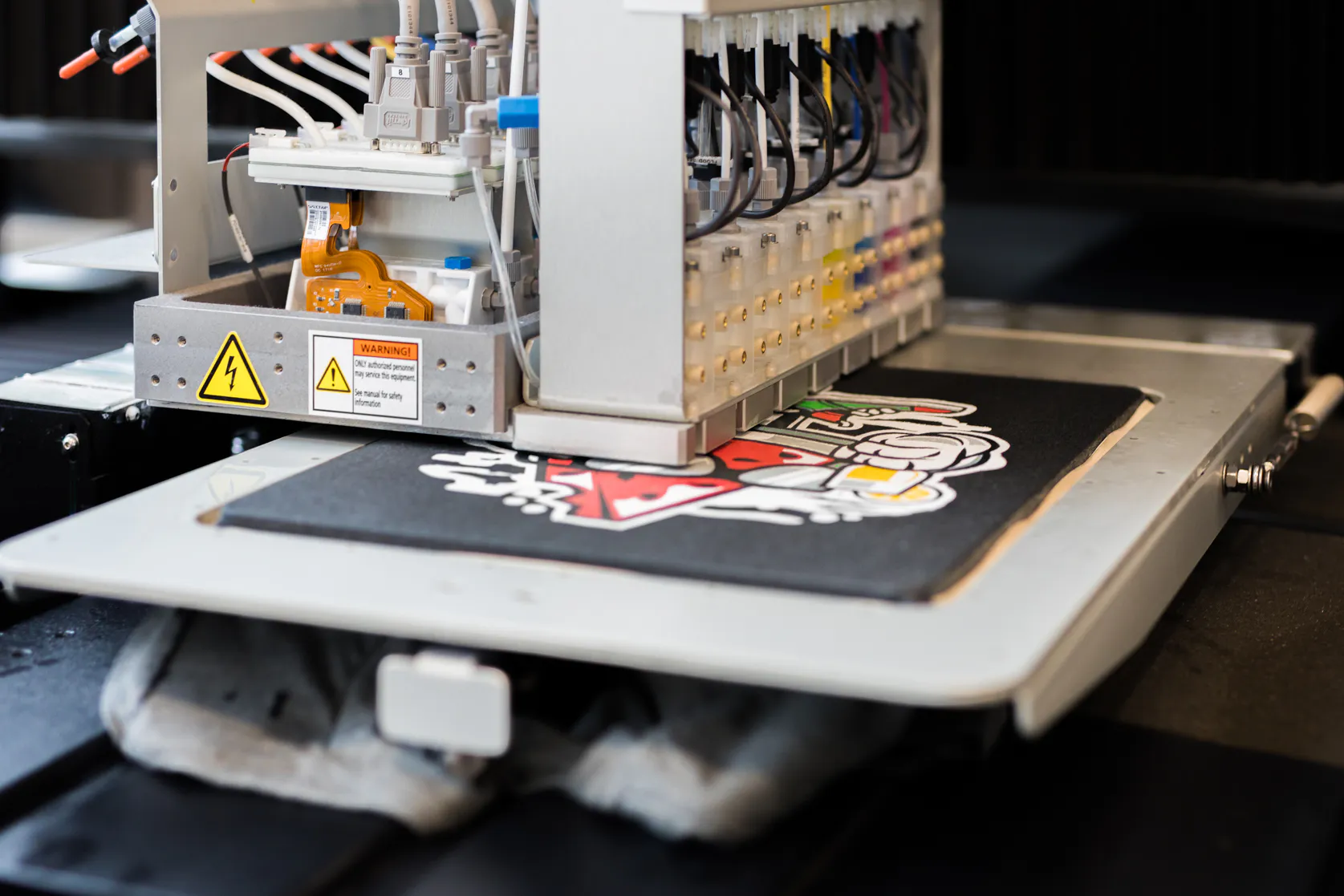
How It Works: DTG involves printing a design directly onto the garment. This technique is ideal for clothing items like t-shirts, hoodies, and sweatshirts.
Best For: It’s perfect for colorful prints and can handle a wide spectrum of colors, making it suitable for detailed and vibrant designs.
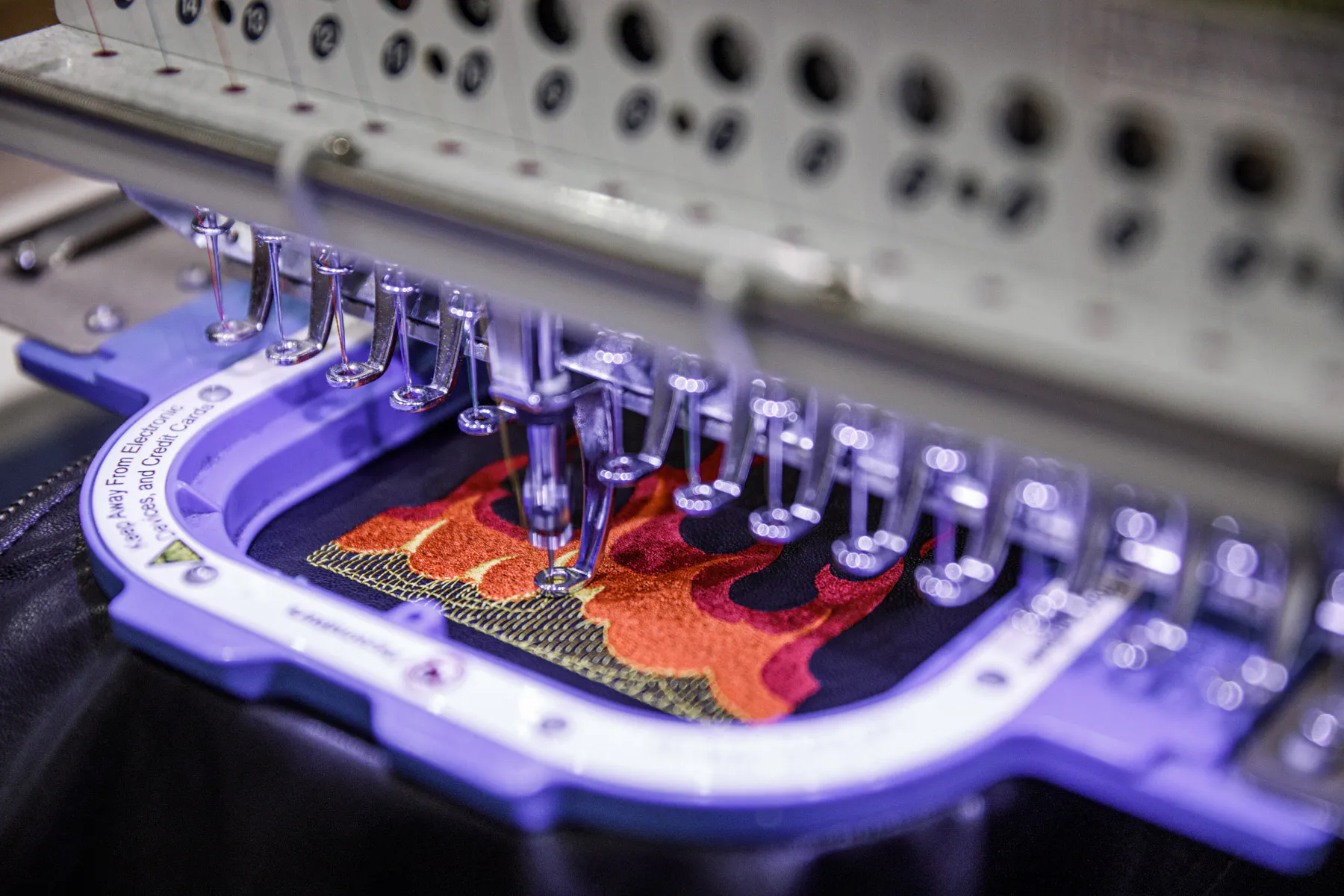
Technique Details: Embroidery involves stitching your design onto the product. This method adds texture and a premium feel to the design.
Variety: They offer regular embroidery for simpler designs and unlimited color embroidery for more complex patterns, gradients, and special colors.
Ideal For: Embroidery is great for finer details, logos, and texts, adding a professional and durable touch to the products.
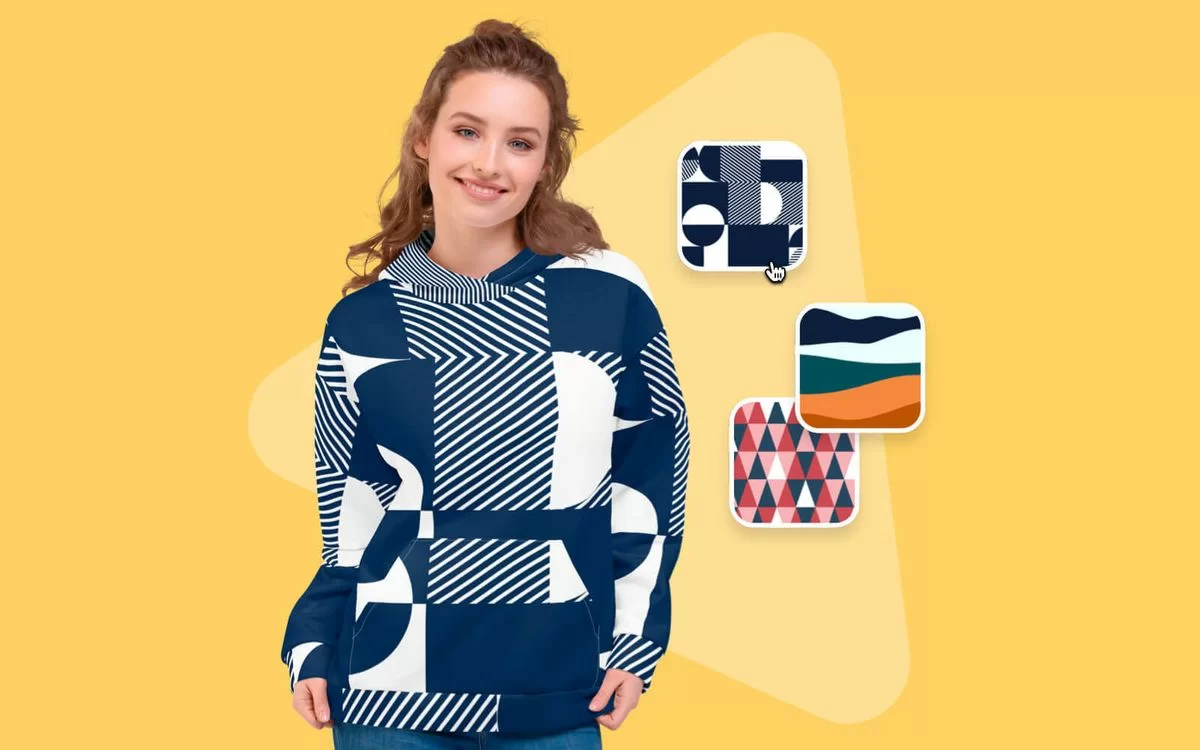
Process: This technique involves printing your design on a large roll of fabric, which is then cut and sewn into a product. The design covers the product seam-to-seam.
Unique Appeal: All-over prints allow for creative and bold designs that make a statement, ideal for custom fashion and standout accessories.
Method: Similar to all-over printing, sublimation prints the design over the entire product. It uses heat and pressure to transfer the design, resulting in high-quality, long-lasting images.
Suitability: This technique is perfect for items where you want the design to cover every inch, offering vibrant and durable results.
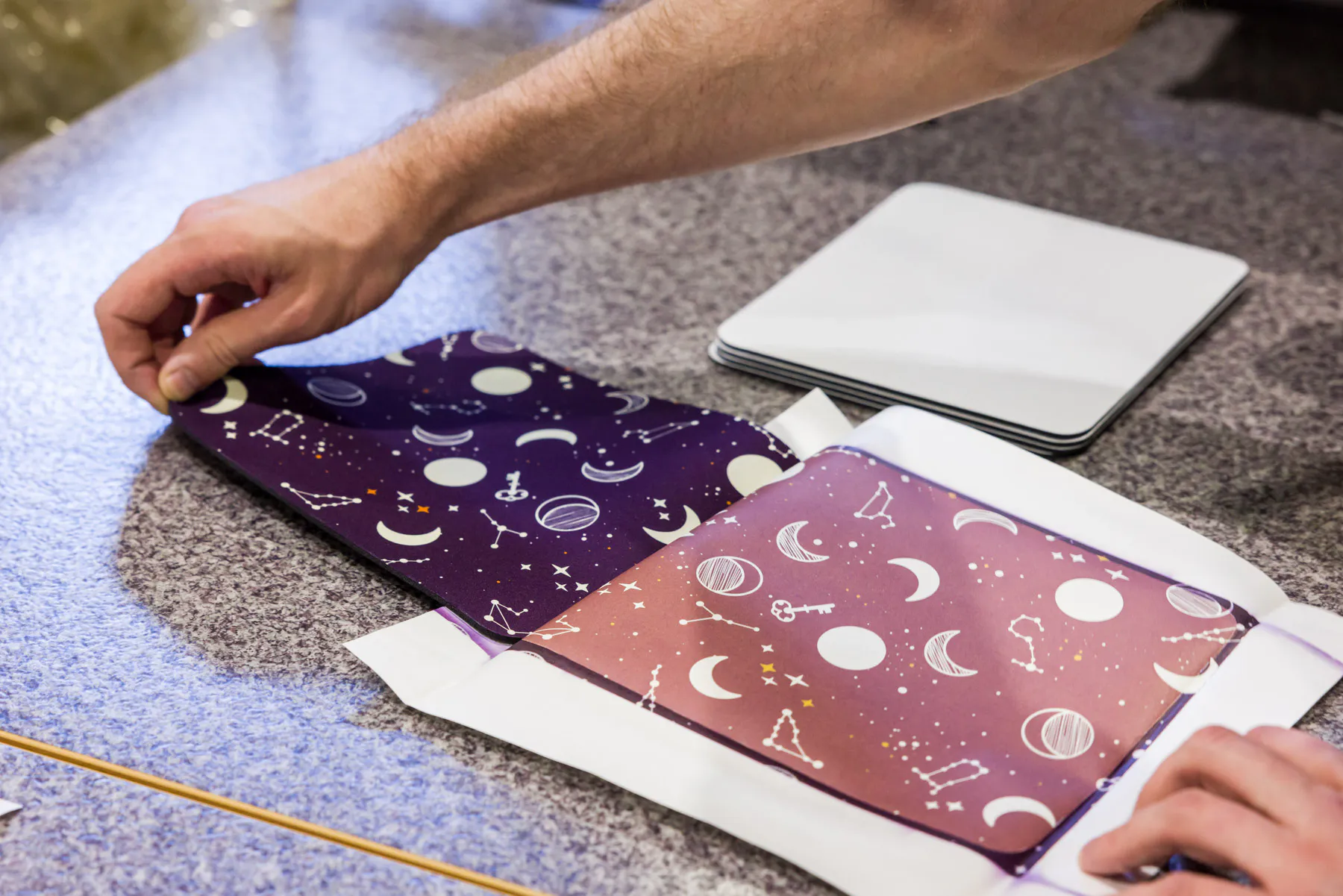
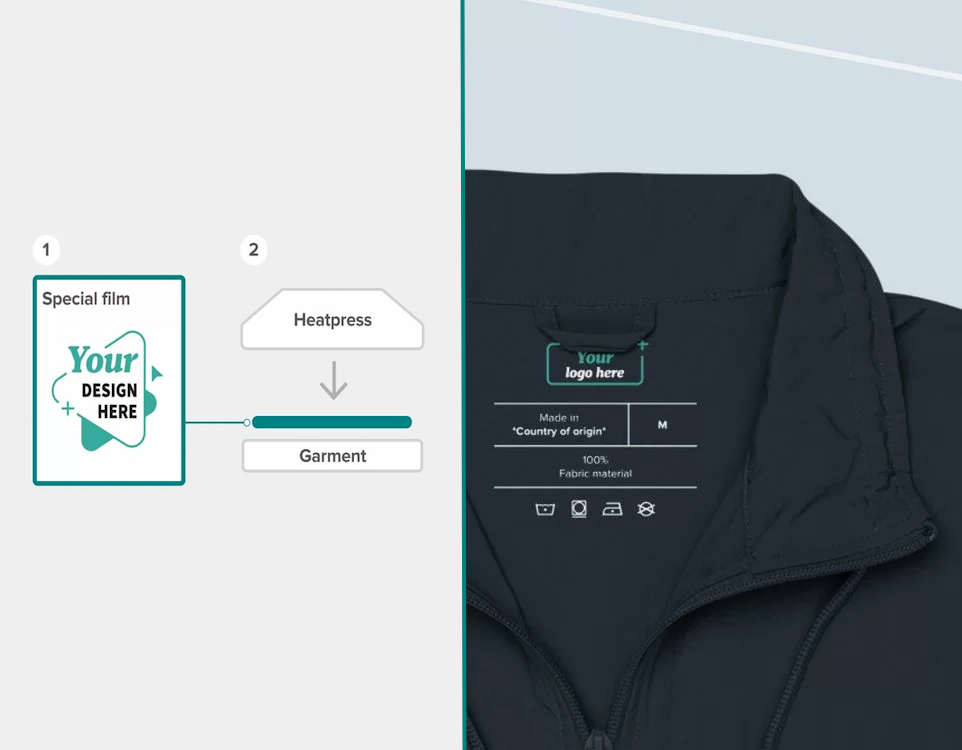
Application: DTF is used for materials that aren’t suitable for DTG prints, such as fleece, nylon, and other fabric blends.
Advantages: It’s excellent for complex designs, providing sharp and striking results. This technique ensures clarity and precision in every aspect of the design.
Each of these techniques has its unique advantages and is chosen based on the product type and the design requirements. This diversity in printing methods is part of what makes Printful a versatile and reliable choice for high-quality custom products.
When it comes to integrating Printful with your online store, there are two main types of platforms to consider: standalone e-commerce platforms and online marketplaces. Understanding the difference between these and how each integrates with Printful is key to choosing the best option for your business.
Definition: These are platforms where you create your own website and store, like Shopify or WooCommerce. They offer more control over the look and feel of your store, as well as the customer experience.
Integration Process: Integration with these platforms typically involves linking your Printful account to your e-commerce site. This can be done through plugins or apps provided by Printful. Once integrated, products you create in Printful can be automatically synced to your store, and orders from your store are directly forwarded to Printful for fulfillment.
Definition: Marketplaces like Etsy or eBay are platforms where multiple sellers list their products. Here, you’re one of many stores on a larger platform.
Integration Process: Integrating Printful with a marketplace involves connecting your marketplace account with Printful. This allows Printful to receive orders placed on these platforms and fulfill them. However, the level of customization and control over your store’s branding is less compared to standalone platforms.





















The Product Personalization Tool revolutionizes the custom merchandise experience by allowing online shoppers to add their unique touch to products. This feature aligns with the growing trend of personalized e-commerce experiences, making it a valuable asset for any online store.
The appeal of product personalization lies in its ability to make each item special. Customers cherish the opportunity to imprint products with their initials, mottos, or personal images, transforming ordinary items into unique treasures. This personal touch not only enhances the value of the product but also deepens the customer’s connection with the brand.
Setting up the Product Personalization Tool is straightforward, especially on platforms like Etsy or Zakeke. Through the Printful Dashboard, store owners can configure settings to handle personalized orders efficiently. This includes setting up guidelines for personalization on the store, ensuring customers are aware of the customization options available.
When a personalized order is placed, it appears on the Dashboard with the customer’s specific requests. Store owners can then adjust the product to align with these wishes before confirming the order, ensuring each product is tailored to the customer’s preferences.
Incorporating Printful’s Product Personalization Tool into your store offers several benefits. It sets your brand apart by offering a unique selling point that attracts new audiences. Personalized products often lead to shareable user-generated content, providing valuable marketing material for your website and social media channels. Moreover, this tool opens up new avenues for creative expression, allowing customers to participate in the design process and feel a sense of ownership over the final product.

The Mockup Generator is an essential tool for anyone looking to create and sell custom products online. It’s designed to make the process of designing and visualizing products as straightforward and efficient as possible. Here’s an overview of what the Mockup Generator offers and how it can benefit your business:
The Mockup Generator allows you to see how your designs will look on various products before you make them available for sale. This feature is particularly useful for ensuring that your designs align well with the product’s shape, size, and overall look. It helps in avoiding potential design issues that might only become apparent after printing.
Printful’s Mockup Generator includes a specialized feature for embroidery designs, which is particularly important given the unique nature of embroidery as a customization method.
One of the key strengths of the Mockup Generator is its user-friendly interface. Even if you’re not a seasoned designer, you can easily navigate through the tool to create professional-looking mockups. This ease of use is crucial for entrepreneurs who may not have extensive design experience but still want to offer high-quality custom products.
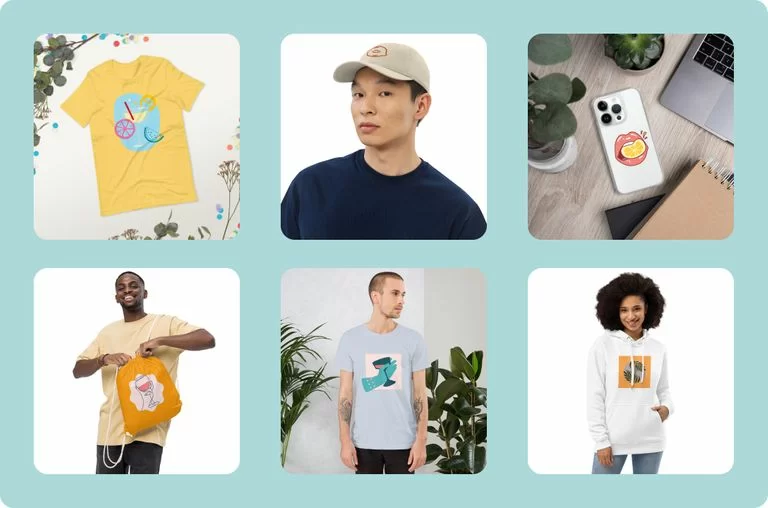
The Mockup Generator supports a vast array of products, from clothing items like t-shirts and hoodies to accessories and home decor items. This diversity allows you to experiment with different products and find the best fit for your designs.
The high-quality images produced by the Mockup Generator can be used beyond just previewing your designs. They are perfect for marketing purposes, allowing you to create attractive product listings on your website or social media platforms. These professional-grade mockups can significantly enhance your online store’s appearance and appeal to customers.
By providing a realistic preview of how designs will look on products, the Mockup Generator streamlines the entire design process. It allows for quick adjustments and iterations, saving time and resources that would otherwise be spent on trial and error with physical samples.
The Mockup Generator is designed to work seamlessly with various e-commerce platforms. This integration means that once you’re satisfied with your mockup, you can easily add the product to your online store, simplifying the process of expanding your product range.

Printful operates on a print-on-demand model, which means products are printed and shipped as orders are received. Here’s a breakdown of how their pricing generally works:
Base Price: Each product has a base price that covers the cost of the item and the printing. This price varies depending on the product type, size, and printing technique.
No Minimum Order Requirement: One of the advantages is that there are no minimum order quantities. You pay for each item as it’s ordered.
Additional to Base Price: Printful’s shipping costs are added to the base price. These rates depend on the shipping destination, the weight of the product, and the chosen shipping method.
Combined Shipping: For orders with multiple items, they often combines shipping, which can reduce the overall cost.
Additional Features: Customizations like adding labels, tags, or other extras may incur additional costs.
Setting Retail Prices: You set your retail price above Printful’s base price. The difference between the retail price and the base price is your profit.
Flexibility: You have the flexibility to set your prices as you see fit, allowing you to control your profit margins.
Pay-as-you-go Model: Printful typically operates on a pay-as-you-go model, meaning there are no monthly fees or upfront costs. You only pay when a customer places an order.
Volume Discounts: They may offer discounts for bulk orders, which can be beneficial if you’re ordering in large quantities.
Competitive Pricing: When setting your retail prices, consider the market and your target audience to ensure your products are competitively priced.
Shipping and Handling: Factor in shipping and potential handling fees when determining your final product prices to maintain profitability.
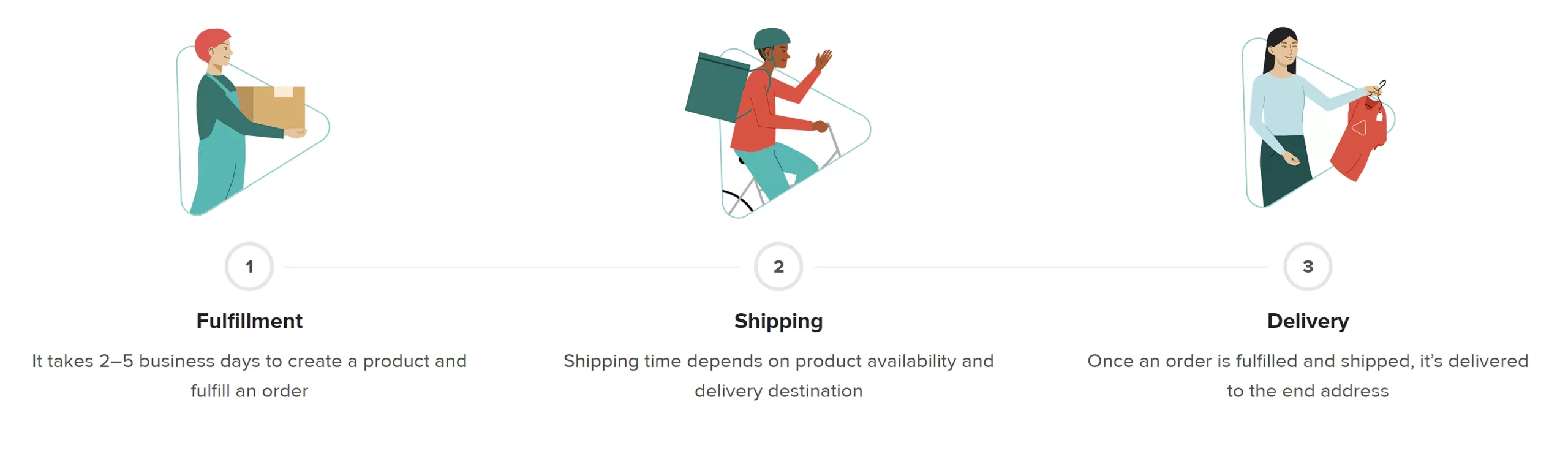
Printful’s shipping rates are an important aspect to consider when using their print-on-demand services. Here’s what you generally need to know:
Global Reach: They ship worldwide, and shipping rates can vary significantly depending on the destination country.
Regional Differences: Shipping within the same region or country where the product is produced typically incurs lower costs compared to international shipping.
Weight and Dimensions: The size and weight of the product can affect shipping costs. Heavier and larger items usually cost more to ship.
Shipping Speed: The choice of shipping speed (standard, express, etc.) can also impact the cost. Faster shipping options are generally more expensive.
Multiple Items: When multiple items are ordered, Printful often combines them into one shipment, which can reduce the overall shipping cost per item.
Separate Shipments: However, some products might be shipped separately due to packaging differences, which could affect the total shipping cost.
International Shipments: For orders shipped internationally, customs fees or import taxes might apply, depending on the destination country’s regulations. These costs are typically borne by the customer.
Estimating Costs: Printful offers a guide on shipping costs for individual products here.
Delivery Estimates: Shipping times can vary based on the destination, shipping method, and other factors like customs clearance. For an estimate of a specific region please see here.
Their commitment to quality is a key aspect of their service, and they take a proactive and responsive approach to address any quality concerns that arise. Understanding how they handle these issues provides insight into their dedication to customer satisfaction.
Printful implements rigorous quality checks at every production stage. From printing to packaging, each item undergoes inspection to ensure it meets high standards. They also actively seek feedback to continuously improve their processes and products, aiming to minimize the occurrence of quality issues.
When customers raise quality concerns, the customer service team responds promptly and effectively. They typically request photos to verify the issue and, if confirmed, often offer a replacement or refund as part of their commitment to customer satisfaction.
For example, if a customer receives a misprinted shirt, Printful usually verifies the issue and then reprints and resends the product at no additional cost. In cases of recurring quality concerns with specific product types, they review and adjust their production processes or materials to enhance overall quality.
Printful provides extensive resources to help customers understand design best practices and product selection, preventing many common quality issues. They maintain transparency about their production capabilities and limitations, helping customers set realistic expectations.
Printful views its relationship with customers as a partnership. When quality issues arise, they work collaboratively with customers to find solutions that support their business needs, reinforcing their commitment to delivering high-quality products and maintaining customer satisfaction.

Printful’s customer service stands out for its expert in-house support agents, swift problem resolution, round-the-clock availability, and accessibility across various communication channels. Here’s a closer look at the key aspects of their customer support:
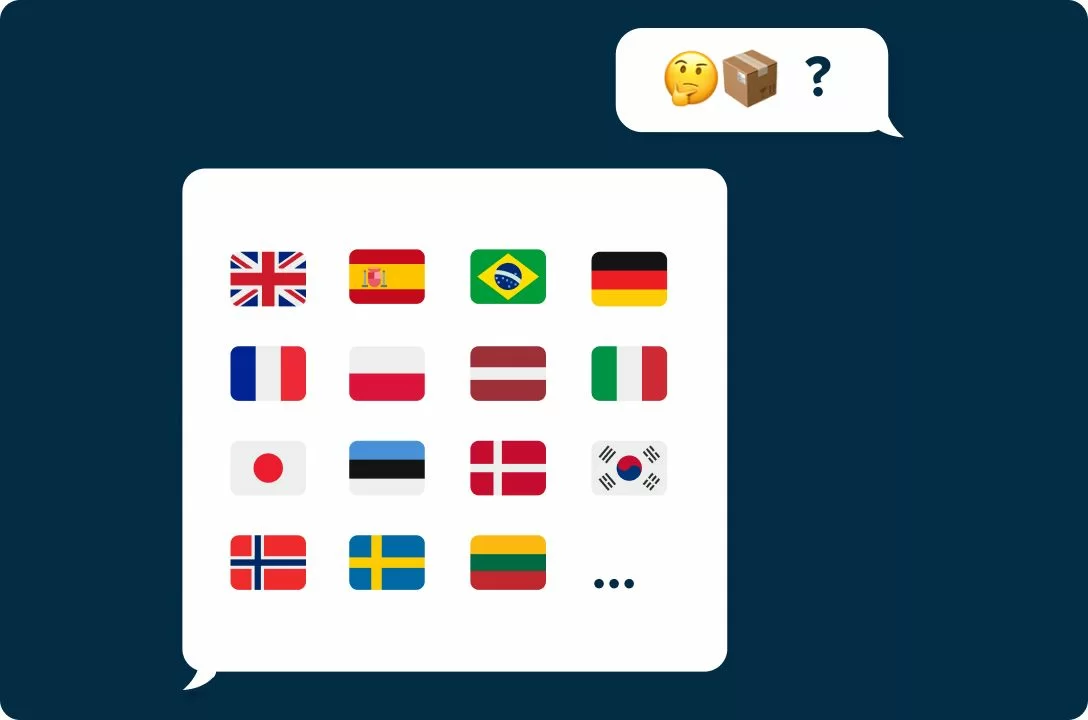
In summary, Printful’s customer service is designed to provide comprehensive, efficient, and accessible support to its customers. With expert agents, quick problem-solving, 24/7 availability, multiple communication channels, and multilingual support, Printful ensures a smooth and supportive experience for every user, enhancing the overall journey of running an e-commerce business.
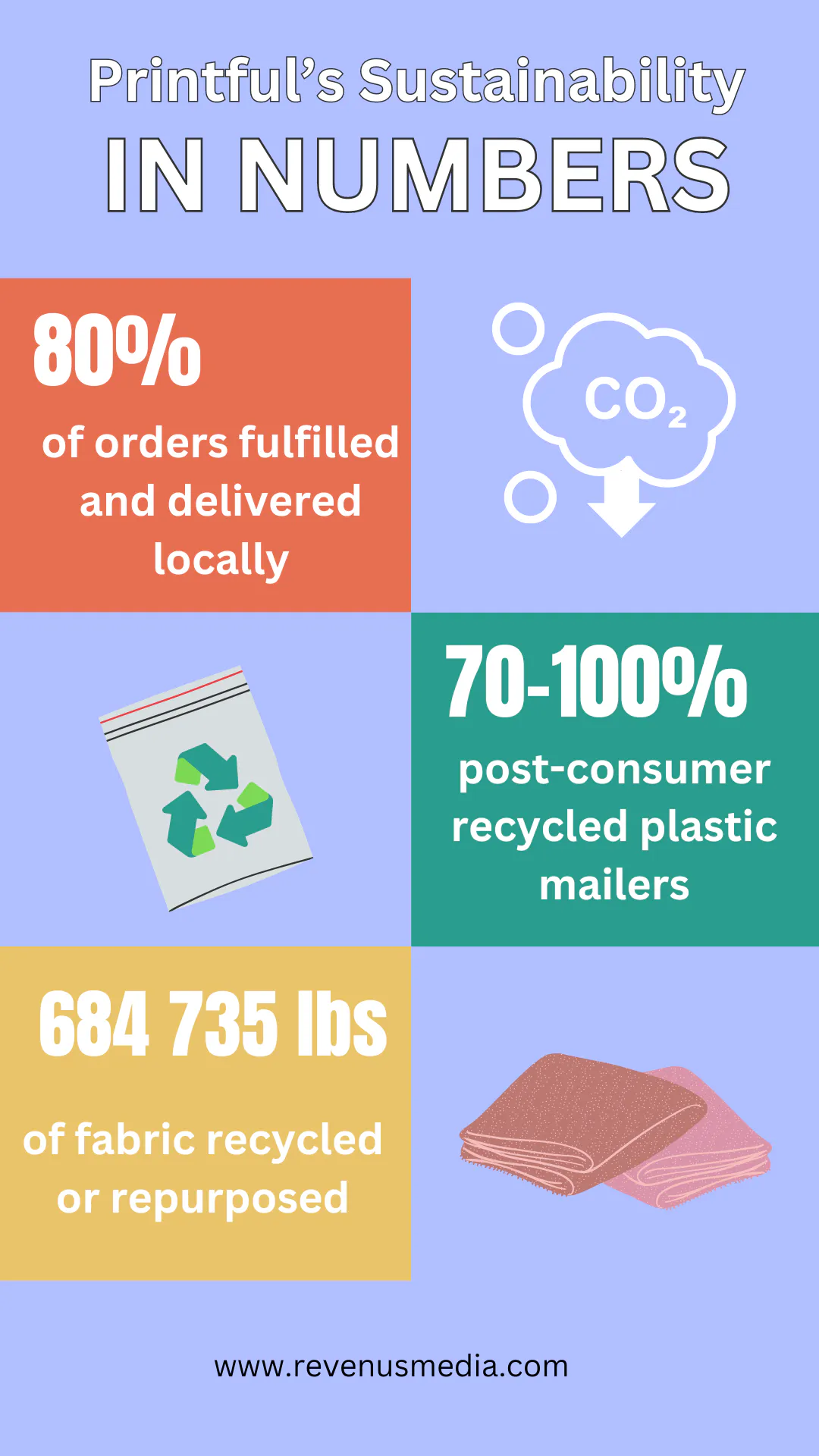
Printful’s approach to sustainability and ethical practices is comprehensive, focusing on reducing environmental impact across various aspects of its operations. Here’s an overview of their key initiatives:
Printful’s print-on-demand model significantly reduces fabric waste by creating apparel only as orders are placed. This approach combats the common issue in the fashion industry where a large portion of garments end up in landfills without being worn.
Since May 2021, Printful has been using post-consumer recycled (PCR) plastic packaging for apparel orders from their in-house facilities. They are increasing the recycled content in their packaging across North America, aiming for 90%–100% PCR plastic. Additionally, they’ve introduced more sustainable packaging solutions, like triangular cardboard boxes for posters, replacing tubes with plastic end caps.
Printful has introduced products like All-Over Print Scrunchies and Headbands, made from fabric scraps that would otherwise go to waste. They also recycle or donate damaged and unclaimed returned products to local charities, further reducing fabric waste.
Approximately 84% of Printful orders are delivered within the same region they’re fulfilled. This strategy not only benefits the business but also reduces CO₂ emissions associated with transporting orders, thanks to strategically located fulfillment centers.
Printful conducts durability tests on new products to ensure longevity. They work with suppliers who produce high-quality items that withstand many washes, maintaining print vibrancy and fabric softness. Transparency in product sourcing is maintained with a Source tab for each product in their catalog, detailing the manufacturer and country of origin.
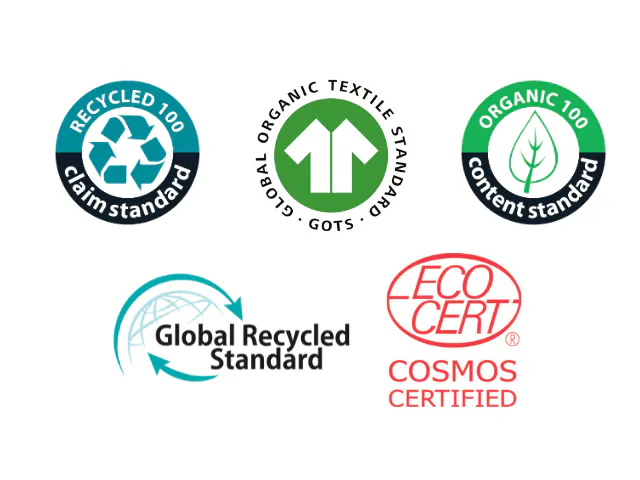
Printful offers an eco-friendly product collection, with apparel products consisting of at least 70% organic or recycled materials. All beauty products in this collection are natural certified. They verify material content through valid certificates from suppliers, accepting only GOTS, OCS, GRS, RCS, or Ecocert COSMOS certificates, depending on the product type.
Through these initiatives, Printful not only demonstrates its commitment to sustainability but also sets a standard for ethical practices in the print-on-demand industry.
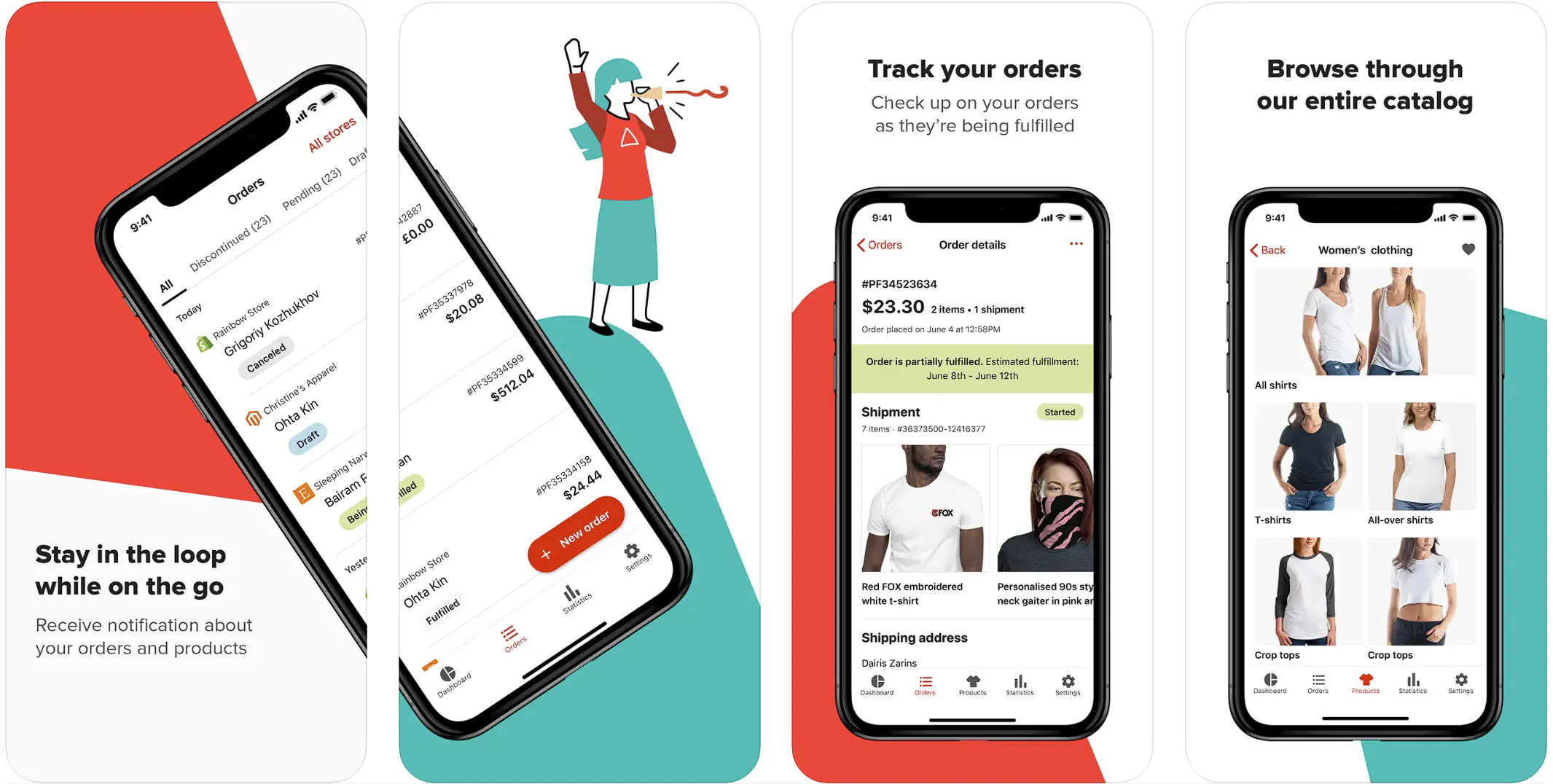
Printful offers mobile apps that bring convenience and efficiency to managing your print-on-demand business. Here are the key features of the Printful apps:
Create Orders:
Users can easily submit sample and basic orders directly through the app. This feature is particularly useful for testing product quality or creating products for personal use or promotional purposes.
Confirm Incoming Orders:
As new orders come in, you can confirm them on the app. Once confirmed, Printful will handle the fulfillment process and ship the products to your customers, streamlining the sales process.
Customer Support Access:
The app provides direct access to Printful’s support team. You can email, call, or chat with support agents right from your mobile phone, making it convenient to get assistance whenever needed.
Order Hold Functionality:
If necessary, you can place or remove manual holds on orders. This feature is useful for addressing any last-minute changes or issues before the orders are processed.
Order Tracking:
Keep track of your orders’ progress through the app. Once an order is shipped, you can also track its delivery status, providing you with up-to-date information on each order’s journey.
Problem Reporting:
If there’s an issue with an order, the app allows you to report it easily. You can choose an existing photo or take a new one with your phone’s camera to illustrate the problem, facilitating quick and effective resolution.
These features make the Printful mobile apps powerful tools for managing various aspects of a print-on-demand business. They offer convenience, flexibility, and control, allowing you to handle your business operations efficiently from anywhere. Whether it’s processing orders, interacting with customer support, or managing order logistics, the Printful apps are designed to cater to the dynamic needs of modern e-commerce entrepreneurs.

These reviews on Trustpilot provide valuable insights into Printful’s strengths and areas where they can improve, reflecting the experiences of a diverse range of customers. For potential users of Printful, these reviews can offer a realistic expectation of the service and product quality.

Embarking on a print-on-demand (POD) business with Printful can be an exciting venture. Whether you’re a budding entrepreneur or an artist looking to monetize your designs, Printful offers a platform that’s both accessible and efficient. Here’s a guide for beginners on how to start selling with Printful, along with some tips for success in the POD industry.
Starting with Printful offers a low-risk way to enter the e-commerce world, with the potential for significant rewards. By focusing on quality, understanding your market, and continuously adapting your strategies, you can build a successful POD business with Printful.
Printful and Printify are both popular print-on-demand (POD) platforms, but they have some key differences that might influence your choice depending on your business needs. Here’s a comparison of the main aspects:
Printful: Known for high-quality products and printing. They have a wide range of products, including apparel, accessories, and home goods. They also offers embroidery services.
Printify: Offers a wide range of products as well, but the quality can vary since Printify uses a network of third-party providers for printing and fulfillment.
Printful: Operates its own fulfillment centers across various locations. This control over the printing process often results in consistent quality and reliable shipping times.
Printify: Utilizes a network of printing partners around the world. This can lead to variations in print quality and fulfillment times, depending on the provider.
Printful: Generally has higher base prices compared to Printify. However, the higher cost is often attributed to the quality of products and printing.
Printify: Typically offers lower base prices. This can be more cost-effective, but it’s important to carefully select your printing providers for quality assurance.
Printful: Offers competitive shipping rates and times, with the advantage of having control over their fulfillment centers.
Printify: Shipping rates and times can vary significantly based on the chosen printing partner and their location.
Both platforms integrate with major e-commerce platforms like Shopify, Etsy, WooCommerce, etc. However, the integration experience might slightly differ in terms of ease of use and features.
Printful: Known for its user-friendly interface and comprehensive design tools, including a mockup generator.
Printify: Also offers a user-friendly interface, but the design and mockup tools might not be as advanced as Printful’s.
Printful: Generally praised for its customer service and support resources.
Printify: Customer support experiences can vary, partly due to the reliance on third-party printing partners.
Printful: Offers more options for custom branding, like branded packaging and pack-ins.
Printify: Custom branding options are more limited and depend on the chosen print provider.
Your choice between the two platforms will depend on what aspects are more important for your business. If consistent quality and control over fulfillment are priorities, Printful might be the better choice. However, if you’re looking for more cost-effective options and are willing to navigate through different print providers, Printify could be suitable. It’s always a good idea to test both services with a few sample orders to see which aligns best with your business needs.
Yes, you can make money with Printful by selling custom-designed products. Your profit is the difference between the price at which you sell your products and the cost of production and shipping charged by Printful.
Absolutely. Printful is user-friendly and ideal for beginners, offering easy-to-use design tools, seamless integration with e-commerce platforms, and comprehensive support resources.
Starting with Printful is free. There are no upfront costs or monthly fees. You only pay for the production and shipping of items as orders are placed.
Yes, Printful is known for its high-quality products. They use advanced printing technology and quality materials to ensure that products meet high standards.
No, Printful does not charge a monthly fee. It operates on a pay-per-order model, where you only pay for the products you order.
You only pay for product production and shipping costs when an order is placed. There are no additional fees for using Printful’s platform.
Making money on Printful depends on your marketing efforts, product selection, and pricing strategy. While Printful handles production and shipping, the success of your store largely depends on how you manage and promote it.
The main difference lies in their fulfillment model. Printful manages its own fulfillment centers, while Printify outsources production to a network of global partners. This affects aspects like product quality, shipping times, and pricing.
No, you retain ownership of your designs when you upload them to Printful. Printful only uses your designs to fulfill orders and does not claim any rights over them.
You receive your profits from sales made through your e-commerce platform. Printful charges you for the production and shipping, and the markup you set above these costs is your profit.