
The powerful combo of influencer marketing and affiliate marketing is all about connecting brands with audiences through trusted influencers. But how does it all work, and why should you care?
In this guide, we’ll break it all down. We’ll explore how influencers and brands team up to create authentic promotions that resonate with audiences, driving engagement and sales.

The concept of influencer affiliate marketing stands out as a dynamic fusion of two powerful strategies. It combines the authenticity and relatability of influencer marketing with the results-driven nature of affiliate marketing, creating a symbiotic relationship that can catapult brands into the limelight.
At its core, influencer affiliate marketing is like a dynamic duo of the marketing world. It brings together two key players: influencers and affiliates.
Influencers are individuals who have managed to amass a significant following and cultivate a profound level of trust with their audience. These individuals often thrive on social media platforms like Instagram, YouTube, TikTok, and blogs. Their content can span various niches, from fashion and beauty to technology and lifestyle. Followers genuinely connect with influencers and value their opinions, making them influential figures in their respective domains.
On the other hand, affiliates are marketing partners who promote products or services on behalf of a brand. They earn a commission for each sale or action generated through their marketing efforts. These actions often include clicks, sign-ups, or purchases made by users who engage with the affiliate’s unique tracking link.
The magic of influencer affiliate marketing happens when these two entities collaborate. Influencers become brand ambassadors, leveraging their trust and rapport with their audience to promote products or services. They do this by weaving seamlessly integrated promotions into their content. When their followers engage with the promoted content and make a purchase or perform the desired action using the provided affiliate link, the influencer earns a commission. It’s a win-win scenario that benefits both the influencer and the brand.
The significance of influencer affiliate marketing lies in its authenticity. Unlike traditional advertising, where viewers are inundated with generic messages, influencer affiliate marketing feels personal. It’s like getting a product recommendation from a trusted friend or expert. This authenticity fosters a sense of trust and connection, making followers more inclined to explore and engage with the products or services promoted by influencers.
Moreover, influencer affiliate marketing extends the reach of brands. Influencers often have diverse and engaged follower bases that can span across various demographics. This means that your brand can tap into new and potentially untapped markets by collaborating with influencers who resonate with those audiences.
Influencer affiliate marketing is not stagnant; it’s in a constant state of evolution. New platforms, tools, and strategies continuously emerge, reshaping the landscape. To stay ahead in this game, brands and influencers alike must remain agile and adaptive.
For instance, consider the rise of short-form video platforms like TikTok. Influencers on TikTok have harnessed the power of succinct and engaging content to capture the attention of younger audiences. Staying up-to-date with these emerging platforms and trends can be a game-changer for influencer affiliate marketing campaigns.
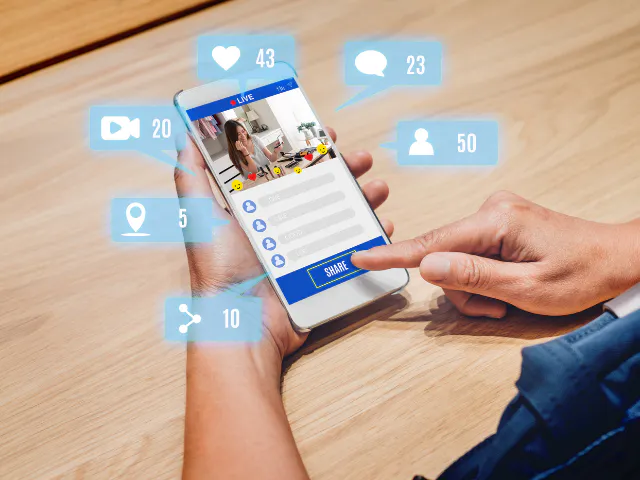
Imagine launching a product and having it instantly land in a space where potential customers are actively engaged and interested. That’s the magic influencers bring to your affiliate marketing strategies.
Picture an influencer sharing a story on Instagram about your product, tagging your brand, and using your preferred hashtags. Their followers, curious and engaged, are likely to check out your brand, expanding your audience beyond traditional boundaries. Influencers, with their presence across various Social Media Platforms like TikTok and YouTube, act as bridges connecting your brand with diverse, vibrant communities.
Imagine a popular influencer casually incorporating your product into their daily routine, sharing genuine reviews and experiences. Their followers, who trust the influencer’s opinions, are more likely to perceive your brand as credible and trustworthy. This Influencer Collaboration feels more organic and authentic compared to conventional, often impersonal, advertisements.
Consider an influencer becoming the face of your brand, passionately representing and promoting it. Their personal touch not only enhances your brand’s image but also adds a unique value, making it more relatable to potential customers. Through engaging stories, posts, and interactions, influencers foster a sense of community, making customers feel more connected and loyal to your brand.

Embarking on influencer partnerships involves strategic planning and thoughtful consideration. Here are some key aspects to ponder as you forge these collaborations.
It’s crucial to establish clear compensation terms that align with both the influencer’s expectations and your budget. For instance, consider whether a commission-based model or a flat fee aligns better with your goals and the influencer’s contribution.
Different platforms cater to various audiences and content styles. Imagine partnering with a fitness influencer who thrives on Instagram; their visually appealing content could resonate well with the platform’s audience, maximizing your campaign’s impact.
Crafting ads that captivate attention while conveying your message is essential. Consider collaborating closely with influencers, leveraging their creativity and insights to create ads that resonate with their audience and feel seamlessly integrated into their content style.

Finding the right influencers is crucial for a successful journey. Let’s delve into how you can identify and collaborate with influencers who align with your brand’s vision and values.
Start by looking for influencers who share a synergy with your brand’s ethos. It’s not always about the numbers; sometimes, an influencer with a smaller, more engaged audience can drive more meaningful interactions.
Consider this: Collaborating with a micro-influencer with a tight-knit community of followers who value their opinions. Their recommendations might carry significant weight, potentially leading to higher conversion rates compared to more prominent influencers with a broader, less engaged following.
Influencer networks can be a goldmine to find influencers that align with your brand. These platforms often provide insights into an influencer’s audience demographics and engagement metrics, helping you make informed decisions.
Getting the most out of influencer collaborations involves more than just setting things into motion. It’s about nurturing relationships, fostering creativity, and leveraging various tools and strategies to amplify your efforts.
Begin your collaboration with a clear understanding of what both parties expect. For example, ensure that influencers have a comprehensive understanding of your brand values, the message you want to convey, and any specific guidelines or requirements you have.
Imagine working hand-in-hand with influencers, tapping into their creativity and insights to craft content that resonates with their audience while aligning with your brand’s message. This collaborative approach can lead to content that feels more authentic and engaging.

Utilize tools that can help track the performance of your collaborations, such as affiliate links and analytics platforms. These tools can provide valuable insights into what’s working well and where there might be room for improvement, enabling you to optimize your strategies for better results.
Some examples include:



Navigating through influencer networks and programs unveils a plethora of opportunities to find and collaborate with influencers who resonate with your brand’s vision and values. These platforms facilitate connections, streamline processes, and offer tools to optimize your influencer affiliate marketing strategies.
Here’s a table of some popular influencer networks and programs along with their links:
| Platform | Description | Link |
|---|---|---|
| Shopify Collabs | Shopify’s own tool for building partnerships with influencers across various platforms. | Shopify Collabs |
| Grin | Comprehensive influencer marketing tools for discovery and relationship management. | Grin |
| Upfluence | Services for brands and influencer agencies to connect with each other. | Upfluence |
| Klear | Connects brands with influencers on platforms like YouTube, Instagram, and TikTok. | Klear |
| Neoreach | Advanced influencer search engine with various filtering options. | Neoreach |
| Traackr | Specializes in the beauty industry with a large global data-set of beauty influencers. | Traackr |
| Izea | Broad range of criteria and filtering options to find relevant influencers. | Izea |
| YouTube BrandConnect | Largest platform for finding creators on YouTube. | YouTube BrandConnect |
| Grapevine | Focuses on YouTubers and has recently embraced Instagram for business as well. | Grapevine |
| Shoutcart | An influencer marketplace where shoutouts can be purchased. | Shoutcart |
| Whalar | Helps discover and manage a list of influencers. | Whalar |
| Influence.co | A directory and portfolio site for influencers to showcase themselves. | Influence.co |
| CreatorIQ | Advanced platform offering tools for campaign execution, reporting, and insights. | CreatorIQ |
Choosing a network or program that aligns with your goals is essential. Consider the features, tools, and the type of influencers available on each platform to make an informed decision that suits your brand’s needs and objectives.
Different platforms offer various features such as analytics, payment management, and collaboration tools. Understanding and leveraging these features can enhance your influencer affiliate marketing strategies, making the process more efficient and effective.
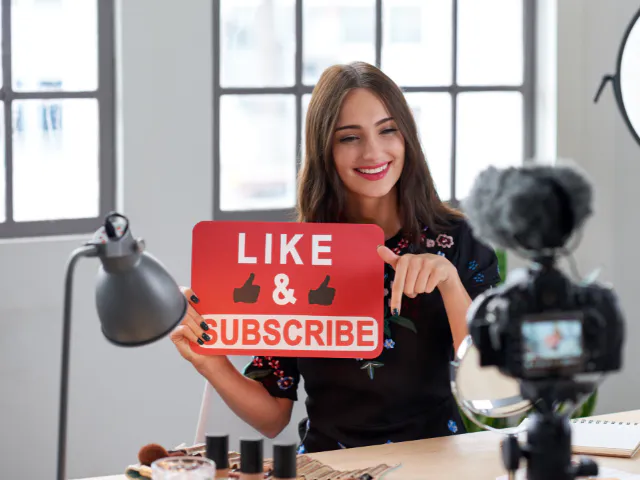
Every journey comes with its own set of challenges, and influencer affiliate marketing is no exception.
Navigating through common challenges such as mismatched collaborations, unclear communication, or fluctuating engagement rates is essential. For instance, ensuring that the influencer’s audience aligns with your target demographic can prevent mismatched collaborations that may not yield the desired results.
Consider proactive strategies like setting clear expectations, maintaining open communication, and regularly monitoring and analyzing campaign performance. Have a structured plan that allows for flexibility and adaptation to enhance the effectiveness of your influencer collaborations.
Ensuring that your collaborations comply with legal and ethical standards, such as proper disclosure and adherence to platform-specific guidelines, is crucial. This not only maintains the integrity of your campaigns but also fosters trust with your audience.
Technological advancements and changing consumer behaviors continuously shape the trends in influencer affiliate marketing. Imagine a future where augmented reality (AR) enhances how influencers showcase products, creating a more immersive and engaging viewer experience.
Being adaptable and open to innovation is key. New platforms, tools, and strategies are continually emerging. Consider the rise of new social media platforms or features, like TikTok or Instagram Reels, and how they have opened new avenues for influencer collaborations.
The emphasis on authenticity and ethical marketing practices is likely to grow stronger. Brands and influencers that prioritize genuine, value-driven collaborations will likely resonate more with audiences, fostering trust and loyalty.
The use of data and analytics to inform strategies and optimize campaigns will become increasingly important. This approach allows for more targeted and effective influencer collaborations, enhancing the overall impact and ROI of campaigns.
Influencer affiliate marketing is a dynamic and powerful strategy in the digital marketing landscape. This guide has provided essential insights, from foundational knowledge to future trends, to navigate this realm effectively. Success lies in authenticity, strategic collaborations, and adaptability, allowing you to unlock the vast potential of influencer affiliate marketing. Armed with these strategies, you’re set to embark on a successful influencer affiliate marketing journey.
It’s a marketing strategy where influencers promote products or services using affiliate links, earning a commission for each sale or action completed through their link.
Look for influencers whose audience aligns with your target demographic. Consider their engagement rates, content style, and authenticity.
It helps in reaching a broader audience, building trust, and driving more conversions due to the influencer’s authentic connections with their followers.
Influencers earn commissions based on the sales or actions completed through their unique affiliate links. The compensation can be a fixed amount or a percentage of the sale.
Success can be enhanced by choosing suitable influencers, setting clear expectations, crafting engaging content, and continuously monitoring and optimizing the campaign.
Challenges include finding suitable influencers, maintaining authentic collaborations, ensuring legal compliance, and managing performance expectations.